Hats in Art - Online Exhibition
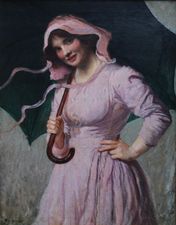
Hats have been a significant element in art history, often symbolizing status, fashion, and cultural identity, as seen in various notable artworks. They are also functional, protecting us from the elements - see below Tom Mostyn's Lady in Pink Dress with her matching pink hat and sun umbrella up.
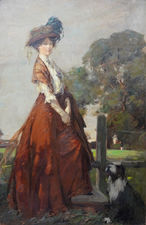
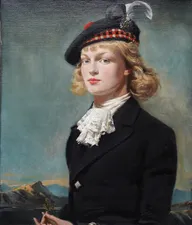
They also indicate rank and social place from the highest to the poorest, such as James Wallace's portrait of Elsie Robinson in a hat with lace and lavish ostrich feathers below.
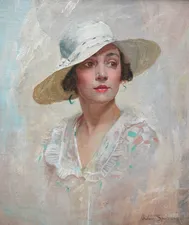
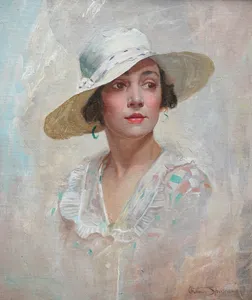
The hat has to be correctly styled for the specific social occasion and also worn correctly on the head - see Arthur Spooner's Portrait of a Lady in a White Hat for example which is just beautiful.
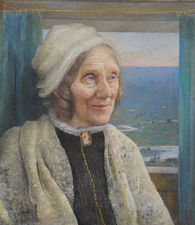
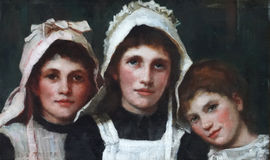
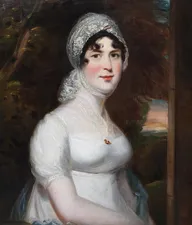
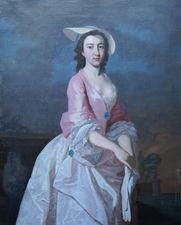
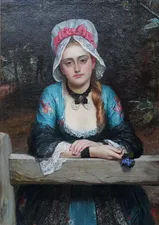
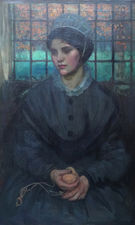
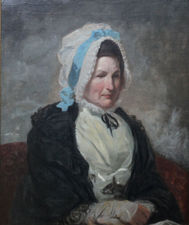
In the nineteenth century and up to the 1960s, all women who could afford to wore hats out doors, even if just shopping. There were also strict rules on the use of decorative indoor caps of muslin, lace and ribbon - see Constable and Lawrence's portraits below. Very plain indoor caps were worn by widows, seen so often in portraits of eighteenth- and nineteenth-century women. Hats in portraits of women reflect all of these functions and etiquettes.
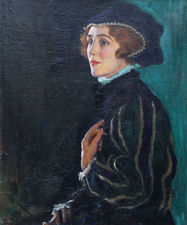
From the sixteenth century far fewer women had their portraits painted than men, unless they were royal or aristocratic or, in the eighteenth century, they had a wealthy husband. Some few were painted if they had excelled publicly in some way – on the stage for example - see Drinkwater's Cecily Byrne as Mary Stewart below, in headwear edged with pearls.
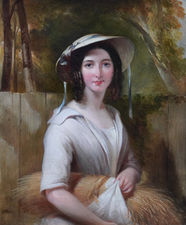
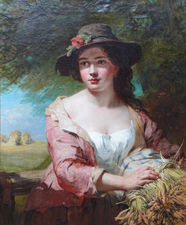
Poor and country women were painted often at their work, by genre artists - see James John Hill and Henry Room's portraits of women at harvest time below. The favoured sturdy looking hats to keep the sun off their faces and decorated with wild flowers.
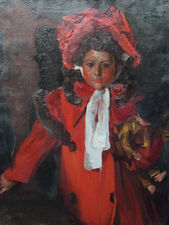
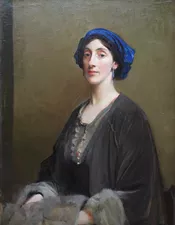
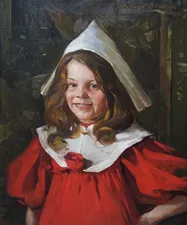
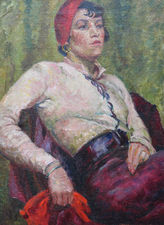
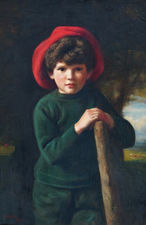
Bright hats add a dash of colour in a painting, such as the red hats of Laing, Williams and Wells and the blue hat of Watson below.
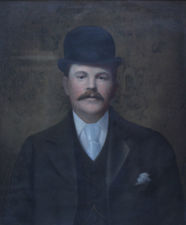
Women's hats and head coverings can indicate profession, trade and class. We even have one gentleman in a bowler hat snuck in there. They also indicate fashionability, age, nationality and cultural identity, as seen in various notable artworks.
If you like hats, millinery and art then do enjoy our selection below and contact us at info@richardtaylorfineart.com if any take your fancy.
They also indicate rank and social place from the highest to the poorest, such as James Wallace's portrait of Elsie Robinson in a hat with lace and lavish ostrich feathers below.
The hat has to be correctly styled for the specific social occasion and also worn correctly on the head - see Arthur Spooner's Portrait of a Lady in a White Hat for example which is just beautiful.
In the nineteenth century and up to the 1960s, all women who could afford to wore hats out doors, even if just shopping. There were also strict rules on the use of decorative indoor caps of muslin, lace and ribbon - see Constable and Lawrence's portraits below. Very plain indoor caps were worn by widows, seen so often in portraits of eighteenth- and nineteenth-century women. Hats in portraits of women reflect all of these functions and etiquettes.
From the sixteenth century far fewer women had their portraits painted than men, unless they were royal or aristocratic or, in the eighteenth century, they had a wealthy husband. Some few were painted if they had excelled publicly in some way – on the stage for example - see Drinkwater's Cecily Byrne as Mary Stewart below, in headwear edged with pearls.
Poor and country women were painted often at their work, by genre artists - see James John Hill and Henry Room's portraits of women at harvest time below. The favoured sturdy looking hats to keep the sun off their faces and decorated with wild flowers.
Bright hats add a dash of colour in a painting, such as the red hats of Laing, Williams and Wells and the blue hat of Watson below.
Women's hats and head coverings can indicate profession, trade and class. We even have one gentleman in a bowler hat snuck in there. They also indicate fashionability, age, nationality and cultural identity, as seen in various notable artworks.
If you like hats, millinery and art then do enjoy our selection below and contact us at info@richardtaylorfineart.com if any take your fancy.